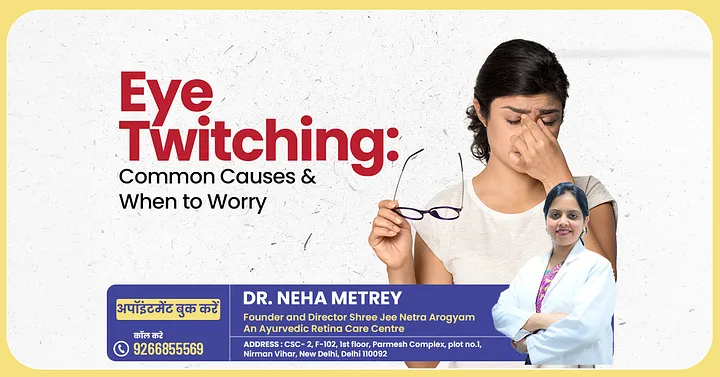
Why Is My Eye Twitching? Causes, Treatment & When to See an Eye Doctor
Have you ever noticed your eyelid suddenly start twitching without warning? It can feel strange, annoying, and sometimes even worrying. Eye twitching is a common condition that affects people of all ages. In most cases, it is harmless and goes away on its own. However, persistent or severe eye twitching may sometimes indicate an underlying health issue that requires medical attention.
In this article, we’ll explore the causes of eye twitching, available treatments, preventive measures, and when it is important to consult an eye doctor.
What Is Eye Twitching?
Eye twitching, also known as eyelid twitching or myokymia, refers to involuntary muscle contractions of the eyelid. These small spasms usually affect the upper eyelid but can occasionally occur in the lower eyelid as well.
The twitching may last for a few seconds, minutes, or even recur throughout the day. While most episodes are harmless, frequent or prolonged twitching should not be ignored.
Common Causes of Eye Twitching
1. Stress and Anxiety
Stress is one of the most common causes of eye twitching. When your body is under physical or emotional stress, your muscles can react with involuntary movements, including eyelid spasms.
Common stress triggers include:
- Work pressure
- Family responsibilities
- Financial concerns
- Lack of relaxation
Managing stress effectively often helps reduce or eliminate eye twitching.
2. Lack of Sleep
Sleep plays a crucial role in maintaining healthy nerve and muscle function. Insufficient sleep can lead to muscle irritability, increasing the chances of eyelid twitching.
Adults should aim for 7–9 hours of quality sleep every night to support overall health and reduce eye-related symptoms.
3. Excessive Screen Time
Many people spend hours staring at computers, smartphones, tablets, and televisions. Extended screen use can strain the eyes and contribute to twitching.
Digital eye strain symptoms may include:
- Eye fatigue
- Dry eyes
- Blurred vision
- Headaches
- Eye twitching
Following the 20–20–20 rule can help reduce strain. Every 20 minutes, look at something 20 feet away for 20 seconds.
4. Too Much Caffeine
Coffee, tea, energy drinks, and certain soft drinks contain caffeine, which stimulates the nervous system. Excessive caffeine intake may increase muscle activity and trigger eyelid twitching.
If you experience frequent twitching, try reducing your caffeine consumption and monitor whether symptoms improve.
5. Dry Eyes
Dry eye syndrome occurs when the eyes do not produce enough tears or when tears evaporate too quickly.
People at higher risk include:
- Older adults
- Contact lens wearers
- Frequent screen users
- Individuals taking certain medications
Dry eyes can irritate the eyelids and contribute to twitching episodes.
6. Eye Strain
Eye strain often develops from:
- Reading for long periods
- Driving long distances
- Poor lighting conditions
- Uncorrected vision problems
If you haven’t had an eye examination recently, an updated glasses prescription may help reduce strain and associated twitching.
7. Allergies
Eye allergies can cause itching, redness, watering, and irritation. Frequent rubbing of the eyes may release chemicals that affect eyelid muscles, leading to twitching.
Get Shreejee netra Arogyam’s stories in your inbox
Join Medium for free to get updates from this writer.
Subscribe
Remember me for faster sign in
Managing allergies effectively may reduce symptoms.
8. Nutritional Deficiencies
Certain nutrient deficiencies may contribute to muscle spasms, including:
- Magnesium deficiency
- Vitamin B12 deficiency
- Potassium deficiency
A balanced diet rich in fruits, vegetables, nuts, and whole grains can support healthy muscle function.
Less Common but Serious Causes of Eye Twitching
Although rare, persistent eye twitching may be linked to neurological conditions.
Benign Essential Blepharospasm
This condition causes repeated involuntary eyelid contractions. Symptoms may worsen over time and can interfere with daily activities.
Hemifacial Spasm
Hemifacial spasm affects muscles on one side of the face. It usually begins around the eye and may spread to other facial muscles.
Neurological Disorders
In rare cases, persistent twitching may be associated with neurological conditions such as:
- Parkinson’s disease
- Multiple sclerosis
- Dystonia
These conditions usually present with additional symptoms beyond simple eyelid twitching.
How to Stop Eye Twitching
Most cases of eye twitching improve with simple lifestyle changes.
Get More Sleep
Prioritize consistent sleep habits by:
- Going to bed at the same time daily
- Limiting screen use before bedtime
- Creating a comfortable sleeping environment
Reduce Stress
Consider stress-management techniques such as:
- Meditation
- Deep breathing exercises
- Yoga
- Walking
- Spending time outdoors
Cut Back on Caffeine
If you consume large amounts of caffeine, gradually reduce intake and observe whether symptoms improve.
Use Artificial Tears
Lubricating eye drops can help relieve dry eye symptoms and reduce irritation-related twitching.
Take Screen Breaks
Follow the 20–20–20 rule and ensure your workstation is properly set up to minimize eye strain.
Eat a Balanced Diet
Include foods rich in:
- Magnesium
- Vitamin B12
- Potassium
- Omega-3 fatty acids
Healthy nutrition supports proper nerve and muscle function.
Home Remedies for Eye Twitching
Here are some simple remedies that may provide relief:
Warm Compress
Applying a warm compress to closed eyelids can help relax the muscles and improve comfort.
Gentle Eye Massage
Lightly massaging around the eyelid area may help relieve tension.
Stay Hydrated
Dehydration can affect muscle function. Drink sufficient water throughout the day.
Limit Alcohol and Smoking
Both alcohol and smoking may worsen eye irritation and contribute to twitching in some individuals.
When Should You See an Eye Doctor?
While most cases are harmless, consult an eye doctor if:
- Twitching lasts longer than a few weeks
- The eyelid completely closes during spasms
- Twitching spreads to other facial muscles
- You experience redness, swelling, or discharge
- There is drooping of the eyelid
- Vision changes occur
- Symptoms become severe or frequent
An eye specialist can perform a thorough examination to determine whether an underlying condition is causing the problem.
How Is Eye Twitching Diagnosed?
An eye doctor may evaluate:
- Medical history
- Lifestyle habits
- Vision problems
- Eye surface health
- Neurological symptoms
Additional tests may be recommended if a more serious cause is suspected.
Medical Treatments for Persistent Eye Twitching
If lifestyle changes do not help, treatment options may include:
Prescription Medications
In some cases, medications may be used to reduce muscle spasms.
Botox Injections
Botulinum toxin injections are commonly used for conditions such as blepharospasm. They help relax the affected muscles and reduce twitching.
Treatment of Underlying Conditions
Addressing dry eyes, allergies, vision problems, or neurological disorders often improves symptoms.
Can Eye Twitching Be Prevented?
Although not always preventable, you can lower your risk by:
- Getting enough sleep
- Managing stress effectively
- Limiting caffeine intake
- Staying hydrated
- Taking regular screen breaks
- Scheduling routine eye examinations
- Maintaining a healthy diet
Small lifestyle improvements can significantly reduce the likelihood of recurring eye twitching.
Frequently Asked Questions (FAQs)
Is eye twitching dangerous?
Most cases are harmless and temporary. However, persistent or severe twitching should be evaluated by an eye doctor.
How long does eye twitching usually last?
Many episodes resolve within a few days. Some may last several weeks depending on the underlying cause.
Can stress cause eye twitching?
Yes. Stress is one of the most common triggers for eyelid twitching.
Does lack of sleep cause eye twitching?
Yes. Sleep deprivation can increase muscle irritability and contribute to twitching.
Can eye twitching be a sign of a serious condition?
Rarely. Most cases are harmless, but persistent twitching accompanied by other symptoms should be assessed by a healthcare professional.
Conclusion
Eye twitching is a common condition that is usually harmless and temporary. Stress, lack of sleep, excessive screen time, caffeine consumption, dry eyes, and eye strain are among the most frequent causes. Fortunately, simple lifestyle changes often provide relief.
However, if twitching becomes persistent, spreads to other facial muscles, affects your vision, or is accompanied by other unusual symptoms, it is important to consult an eye doctor. Early evaluation can help identify and treat any underlying issues before they become more serious.
Taking care of your eye health through regular eye examinations, proper rest, and healthy habits can go a long way in preventing future episodes of eye twitching.